
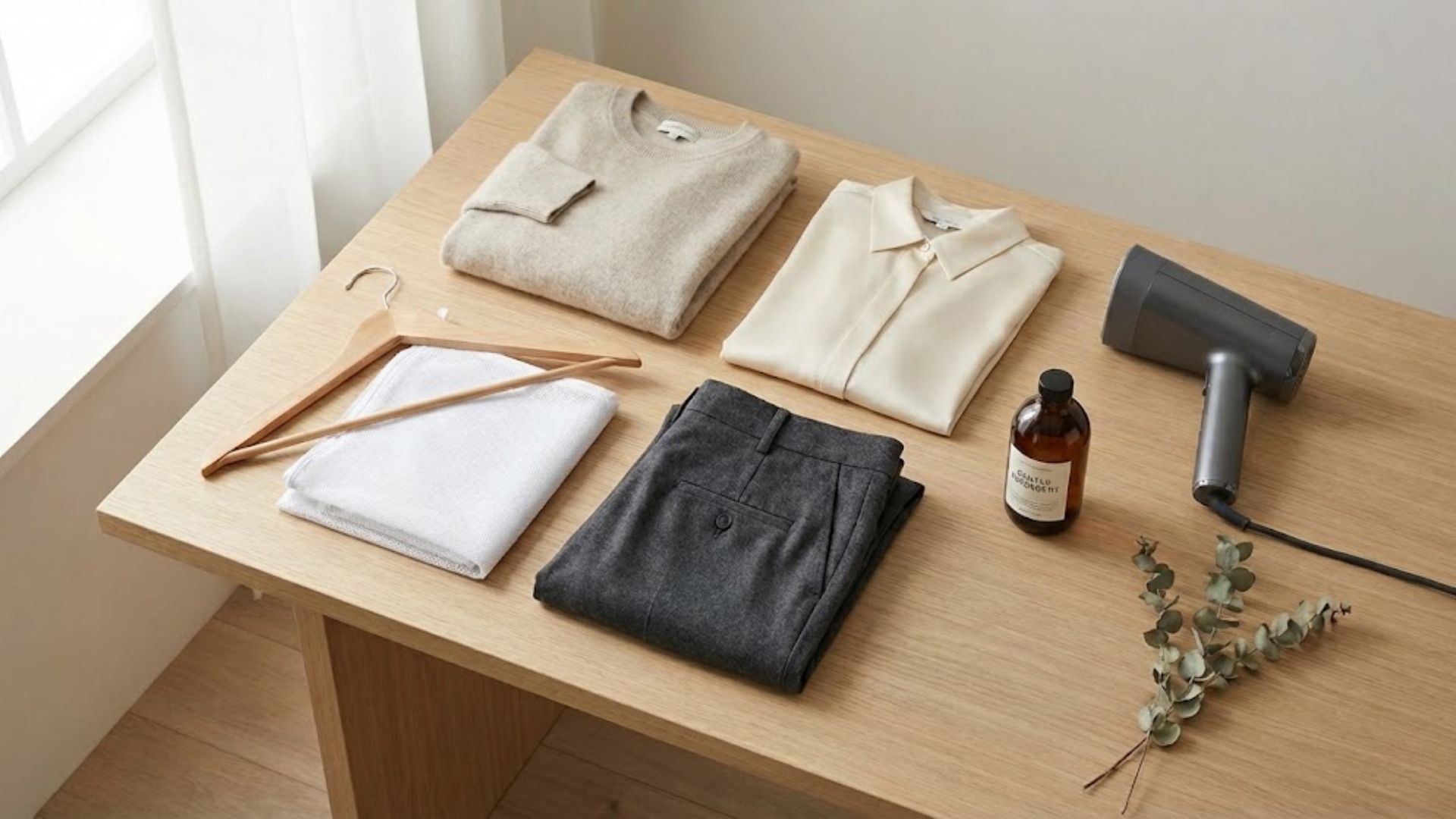
We have all felt the sting of a luxury purchase gone wrong. You finally invest in that 100% cashmere sweater, the raw silk blouse, or the perfectly tailored Italian wool trousers. Then, after just a few washes or wears, they look tired, faded, or stretched out. This is why learning how to properly maintain high-quality garments is so crucial—it’s the difference between a piece that lasts a season and one that lasts a lifetime.
When you pay a premium for high-quality fabrics and construction, you aren’t just buying a look; you are buying longevity. However, even the best garments will fail prematurely if treated like fast fashion. To protect your investment and keep your closet looking designer-ready, you need to adopt a smarter maintenance routine.
We analyzed the care instructions of top brands and consulted with textile experts to bring you these ten definitive strategies for extending the life of your expensive garments.
1. Decode Care Labels Like a Pro
It sounds simple, but ignoring the tag is the number one killer of expensive clothing. That tiny square of fabric sewn into your seam isn’t a suggestion; it’s a manufacturer’s specification.
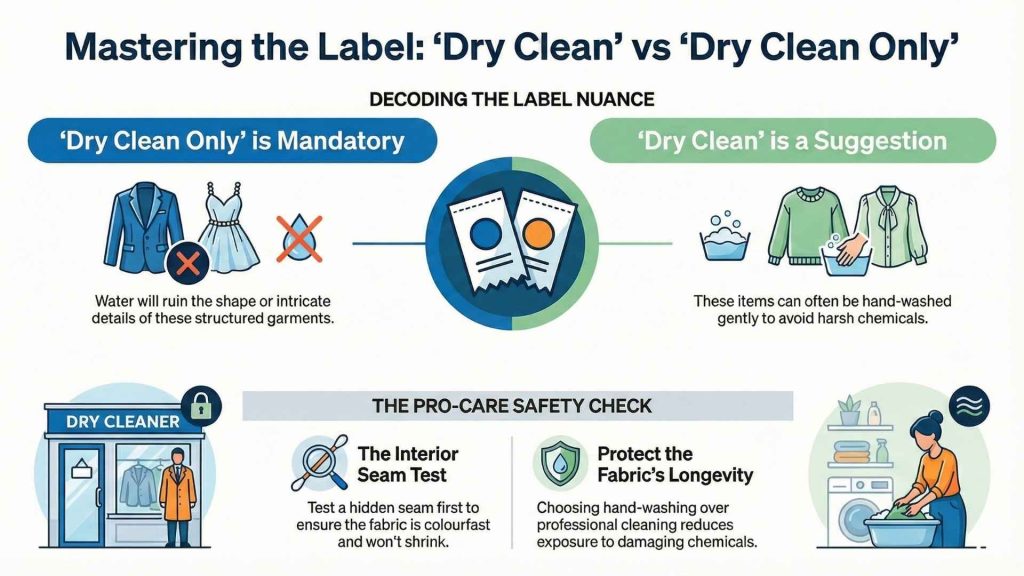
However, there is a nuance that many guides miss: the difference between “Dry Clean” and “Dry Clean Only.” “Dry Clean Only” (usually found on structured garments like blazers or beaded dresses) means that water will ruin the garment’s shape or details. Conversely, many items labeled simply “Dry Clean” can actually be hand-washed gently, saving you trips to the cleaner and exposing the fabric to fewer harsh chemicals.
Pro Tip: If you want to avoid dry cleaning a “Dry Clean” labeled item, test the fabric on an interior seam first to ensure it is colorfast and won’t shrink.
2. Always Wash in Cold Water
In the US, most washing machines default to warm or hot water, but heat is the enemy of dye and fibers. Hot water causes shrinkage in natural fibers (wool, cotton) and can break down elastic in synthetics.
Always select the “cold” or “tap cold” setting. Cold water is surprisingly effective at cleaning modern clothes because detergents are formulated to work in lower temperatures. It prevents color bleeding and minimizes the agitation that causes pilling.
3. Protect Delicates with Mesh Bags
Even on the gentle cycle, your garments are being thrown against the metal drum and other clothes. This friction causes snags, stretches straps, and damages embellishments.
A fine-mesh laundry bag acts as a protective barrier. For expensive items, do not use the large, loosely woven bags. Invest in multi-compartment bags with zippers—they keep items separate and prevent them from bunching up. This is essential for lace, silk, and even expensive athletic wear to prevent the spandex from breaking down.
4. Skip the Dryer: Air Dry Instead
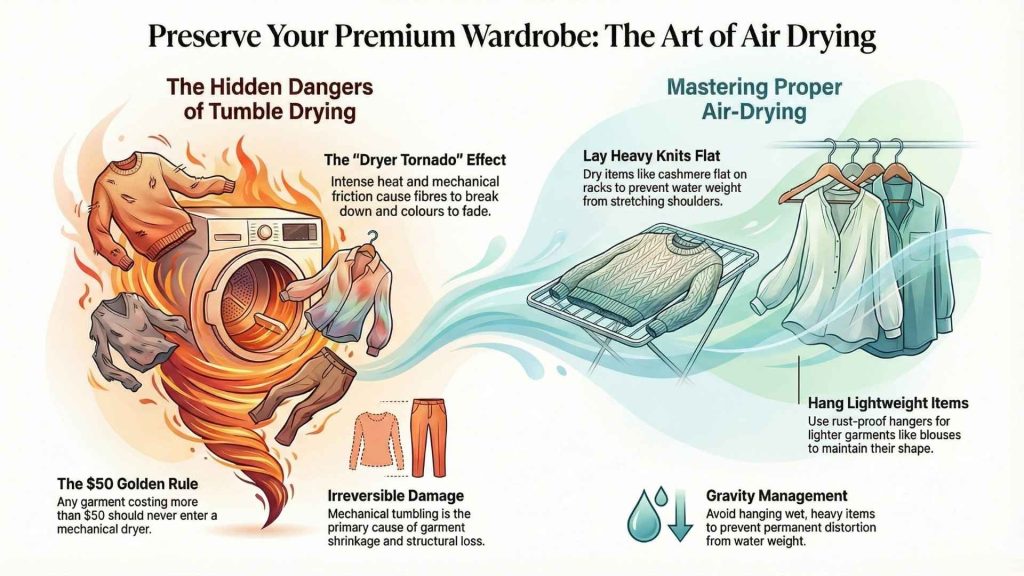
In the US, we are conditioned to trust the dryer. We want towels fluffy and sheets dry fast. But for expensive garments, the tumble dryer is a high-impact tornado of heat and friction.
The mechanical tumbling action breaks down fibers, causes shrinkage, and fades colors. The golden rule is simple: If it cost more than $50, it should never see the inside of a dryer.
How to air dry correctly: Lay heavy knits (like cashmere) flat on a drying rack or a clean towel. Hanging them wet can cause the water weight to stretch the shoulders out of shape. Light items like blouses can be hung on rust-proof hangers.
5. Treat Stains the Moment They Happen
A stain left to set is a stain that becomes permanent. However, how you treat it matters. Rubbing a stain vigorously can damage the weave of the fabric, creating a permanent bald spot or “fuzz.”
The Expert Method: Blot—don’t rub. Use a clean, white cloth (color transfer is real!) and gently blot the stain from the outside in to prevent it from spreading. For greasy stains (like salad dressing), apply a tiny dab of dish soap or a specialized stain stick to break down the oil before washing.
6. Wash Inside Out to Preserve Color
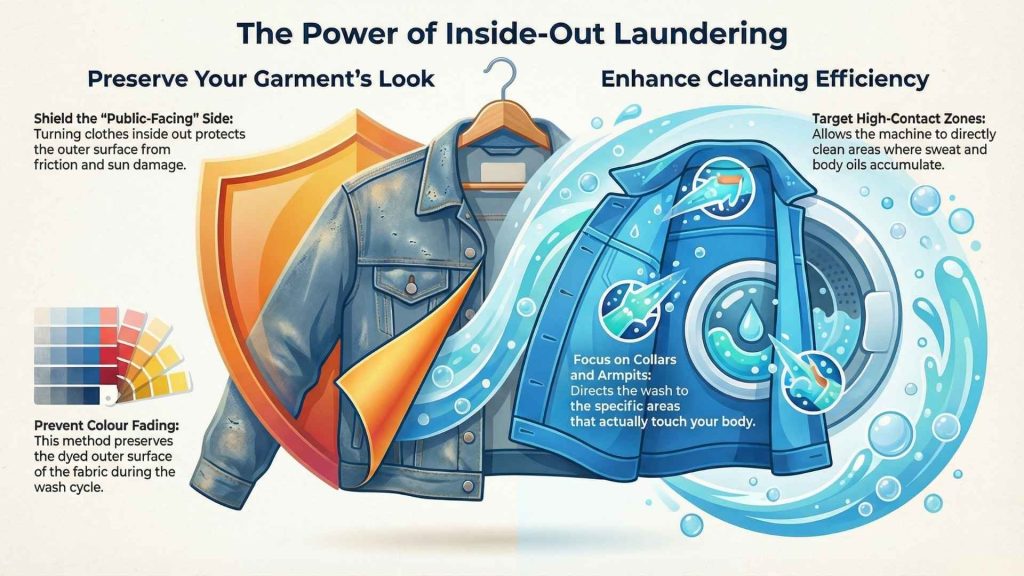
This is the single easiest “hack” that yields massive results. The outer surface of your clothing takes the most abuse from the sun and friction. When you wash clothes right-side out, you are literally blasting the “public facing” side of the fabric against other clothes.
Turning them inside out protects the dyed outer surface. It also allows the machine to clean the areas that actually touch your body (armpits, collar) more directly, where sweat and oils accumulate.
7. Choose Gentle, Fabric-Safe Detergents
Reaching for the “Ultra Mega Stain Lift” detergent might be fine for your gym socks, but it is terrible for your silks and wools. Harsh detergents contain optical brighteners and enzymes that strip natural fibers of their oils and luster.
Switch to a detergent specifically designed for delicates. Look for labels that say “gentle on fabrics” or “safe for silk and wool.” These detergents clean without breaking down the protein structures in wool or the smooth surface of silk.
8. Hand-Wash for Ultimate Control
Machine washing, even on delicate, involves mechanical force. Hand-washing gives you total control. For items like $200 cashmere sweaters or silk camisoles, hand-washing is the safest bet.
The Process: Fill a sink or basin with cool water and a capful of gentle detergent. Submerge the garment, gently squeeze water through it (don’t wring or twist), and let it soak for 10-15 minutes. Rinse with cool water until the suds are gone.
9. Store Smart to Prevent Damage
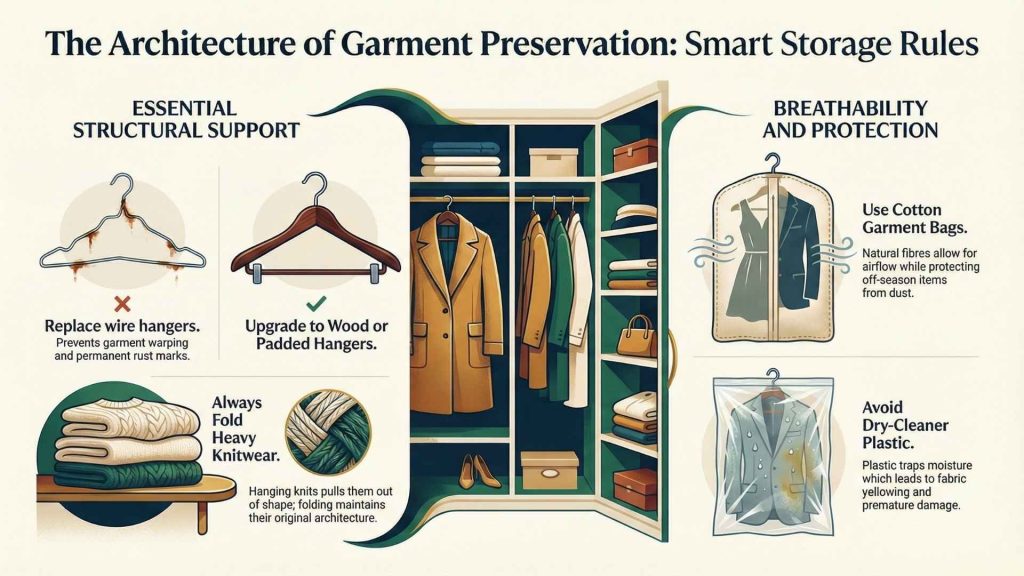
You’ve cleaned the garment; now you need to keep it safe until the next wear. Storage mistakes ruin more expensive clothes than wear and tear.
- Wooden Hangers: Never use wire dry-cleaning hangers. They warp and leave rust marks. Use wide, padded hangers for blouses and sturdy wooden ones for suits.
- Breathable Bags: If you store off-season items, use cotton garment bags. Dry cleaner plastic bags trap moisture and cause yellowing.
- Knits: Never hang heavy sweaters. The weight of the shoulders will pull them into an unwearable shape over time. Always fold them.
10. Steam, Don’t Iron, for Safe Wrinkle Removal
An iron is a precision tool that is often used as a sledgehammer. Direct contact with a hot metal plate can create a “shiny” sheen on fabrics like wool and rayon, effectively scorching the surface fibers.
A handheld steamer is vastly superior. It relaxes the fibers, releases wrinkles, and kills odor-causing bacteria without the damaging contact. It is faster, safer, and better for maintaining the texture of luxury fabrics.
Frequently Asked Questions
Less is more. Dry cleaning uses chemical solvents that can be harsh on fibers. Unless there is a visible stain or odor, aim to dry clean a suit every 3-4 wears. In between, hang it in a steamy bathroom to release wrinkles and odors.
Avoid it. Fabric softener coats fibers with a waxy film to make them feel soft, but this film builds up over time, reducing breathability and wicking properties. It also prevents stains from being released in future washes.
Mothballs are toxic and smell terrible. To remove the odor, air the garment outside in fresh air (out of direct sun) for a day. For persistent smells, fill a spray bottle with vodka and water (1:1 ratio) and lightly spritz the garment; the alcohol neutralizes odors without staining.
Conclusion
Extending the life of your expensive garments isn’t about being precious with your clothes; it’s about respecting the craftsmanship and materials that went into making them. By adopting these ten habits—washing in cold, using mesh bags, air drying, and storing correctly—you can ensure that your investment pieces last for years, not just a season.
Treat your wardrobe like an investment portfolio: protect the principal, and the returns (in style and confidence) will compound over time.
Disclaimer: The information provided in this article is for general informational and educational purposes only. It is not a substitute for professional advice from a garment care specialist or dry cleaner.